
RBI’s Repo rate hike after three years affects floating loan rates
What it means for your home loan EMI?

5 min read
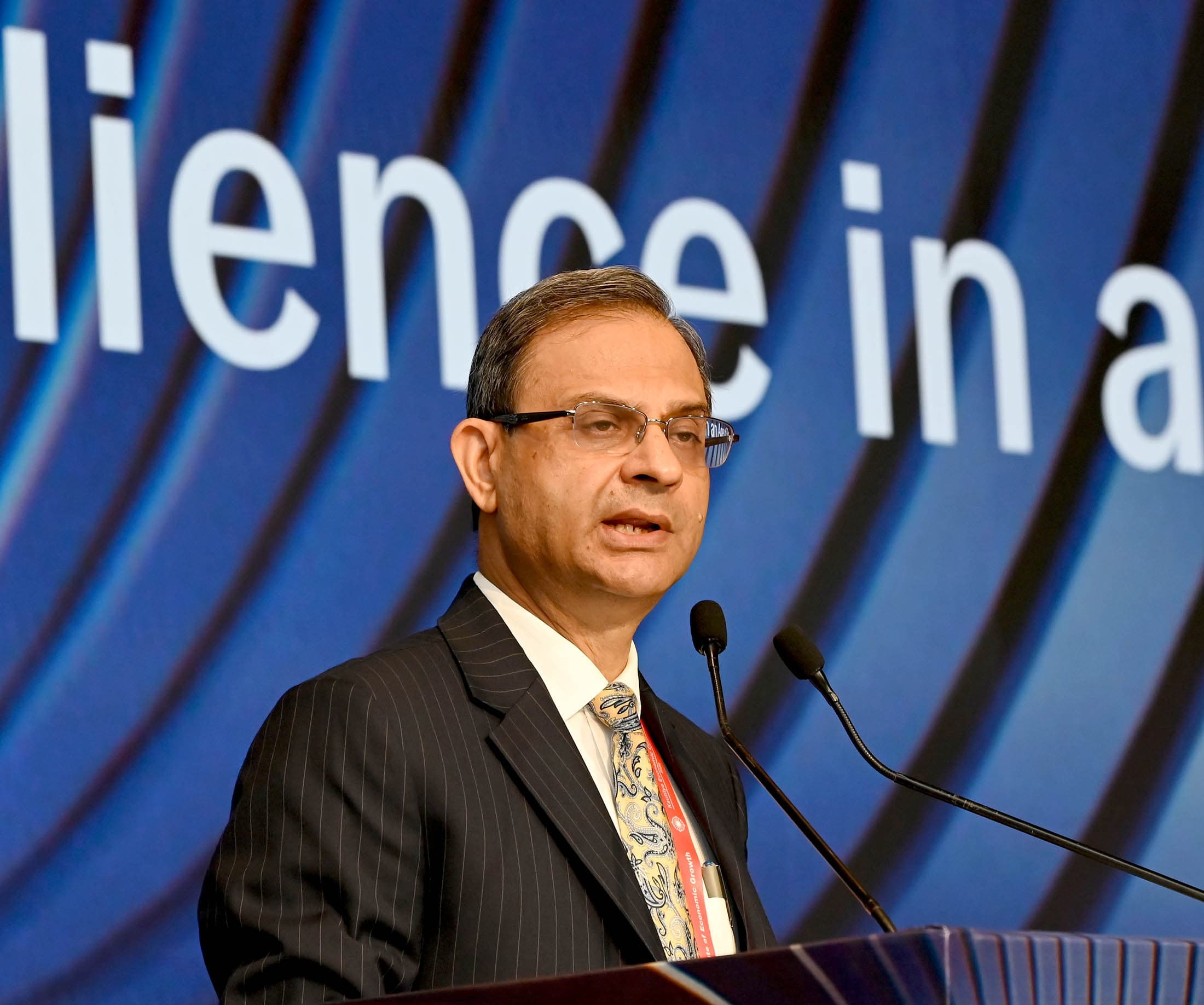
The Reserve Bank of India (RBI) on October 7 increased its key policy rate by 25 basis points to 5.5%. The decision, which the RBI said had been taken against the backdrop of the “sudden reescalation” of conflict in the Middle East, was unanimous, and marks the central bank’s first rate hike since February 2023.
The RBI’s governor Sanjay Malhotra released the minutes of the Monetary Policy Committee (MPC) meeting held from 5 to 7 October, during which all six members voted to raise the repo rate by 25 basis points to 5.5 per cent. This was the first rate hike in nearly four years. He said the duration and extent of the interest rate hike cycle will depend on actual economic growth and inflation trends.
This move revealed soaring concerns over persistent inflationary pressures and their possible influence on the economy. The RBI raised rates at a time the consumer inflation rose to an almost two-year high in September, thus crossing the upper limit of the RBI’s 2–6% tolerance band. A weak monsoon has fuelled concerns about food prices, while the rupee’s depreciation could bolster the prices of imported goods.
What does this mean for borrowers?
During periods of high inflation, central banks typically increase the repo rate to control the money supply and reduce inflationary pressures. In contrast, central banks often lower the repo rate during economic recessions or downturns to encourage borrowing and investment. This was notably observed during the global financial crisis of 2008, where central banks worldwide slashed rates to support economic recovery.
A change in the repo rate can influence loan EMIs, fixed deposit returns, bond prices, stock market performance and overall economic growth. Here’s how it affects borrowers, savers and investors.
Particularly, salaried people and middle-class concerned over this hike as it could translate into a higher EMI or a longer repayment tenure, depending on the lender and the loan's reset mechanism. The impact will be quicker for borrowers with floating-rate home loans linked to external benchmarks such as the repo rate. Existing borrowers should check their loan's benchmark and reset frequency to understand when the rate hike could affect their repayments.
If you are planning to buy a bike on EMI, take a home loan, pay college fees through a loan or borrow money to start a business, the Reserve Bank of India’s latest decision matters to you.
Most floating-rate loans are linked to one of two benchmarks: the External Benchmark Lending Rate (EBLR) or the Marginal Cost of Funds-based Lending Rate (MCLR). A change in the RBI’s repo rate can show up fairly quickly in an EBLR-linked loan.
In the event of steep hike in global oil prices, the headline inflation is likely to rise above the RBI’s projected 6% for the December quarter, which may force the RBI again to raise rates aggressively.
Every home loan EMI will not increase automatically
However, a repo rate hike does not automatically mean every home loan EMI will increase by the same amount. Banks and housing finance companies could pass on higher borrowing costs to customers, particularly those with floating-rate loans.
According to bankers, borrowers may face two choices when rates rise: pay a higher EMI or allow the loan tenure to increase while keeping the EMI broadly unchanged. The impact will depend on the loan's outstanding principal, remaining tenure, interest rate and the lender's reset mechanism.
They say the biggest impact will be on borrowers whose loans are linked to an external benchmark such as the repo rate. When the benchmark rises, the lending rate generally rises as well, increasing the cost of servicing the loan. Borrowers with longer remaining tenures can see a more significant cumulative increase in interest outgo.
Explaining on the impact of this hike on EMIs, a retired Manager of State Bank of India, K V K S Choudhary, told this writer that on a 30 year Housing loan the impact is to increase EMI by about 2.5%. This will generally discourage prospective borrowers and will affect housing demand. On shorter loans like Vehicle loan, he said a 0.25% increase in interest does not have much impact on EMI or demand.
The IndusInd Bank observed that a change in the repo rate does not immediately increase every personal loan EMI. It said that a repo rate hike is important, but it should not be the only reason to delay or rush into a loan. What matters more is the rate type on your loan, your monthly repayment capacity and the total cost you will pay over time, it said.
"If you already have a fixed-rate personal loan, a later repo rate hike may not change your EMI. If you are applying for a new loan, compare offers carefully and make sure the repayment fits comfortably into your budget. A well-planned loan can meet a genuine need without putting pressure on your everyday finances", it added.
How much will your EMI go up?
If the rate rises to 7.75% after the hike, for the calculations of this impact, take a borrower who is 10 years into a 30-year home loan, with Rs 30 lakh left to repay over the remaining 20 years at 7.5%.
On those numbers, the EMI rises from about Rs 24,170 to about Rs 24,630 a month, roughly Rs 460 more, or about Rs 1.1 lakh extra over the remaining 20 years. A borrower who keeps the EMI unchanged instead will pay for about 11 months longer.
Sources
- RBI Governor Malhotra Press Release on Repo hikerbi.org.in
- Immediate fallout is costlier floating-rate credit, says PHDCCIphdcci.in
- IndusInd Bank on Repo hikeindusind.bank.in
About the writer

Freelance Journalist
A journalist by profession, worked with New Indian Express Group for a long time, besides some other media organizations, based in Hyderabad, presently a freelance journalist.
Writes about Journalism, Business, Politics, Education